
Unplugging for Progress: Advocating India’s Right to Disconnect for a Healthier Workforce
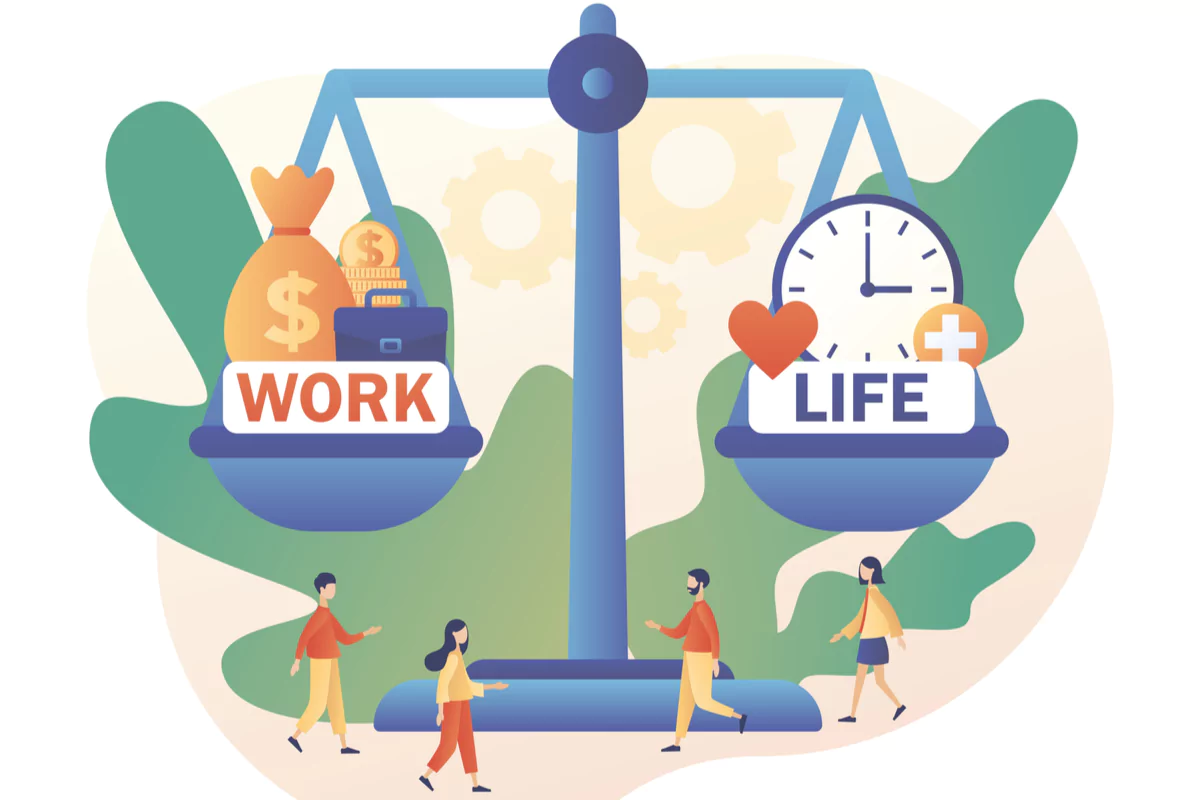
In today’s hyper-connected world, the boundaries between work and personal life have become increasingly blurred, leading to a surge in work-related stress and health issues. This phenomenon underscores the pressing need for a “Right to Disconnect” law in India, which would allow employees to disengage from work-related communications beyond official working hours without fear of repercussions.
Global Statistics on Overwork and Health Implications
The adverse effects of overwork are well-documented worldwide. A joint study by the World Health Organization (WHO) and the International Labour Organization (ILO) revealed that in 2016, approximately 745,000 deaths globally were attributable to ischemic heart disease and stroke associated with long working hours.
https://en.wikipedia.org/wiki/Karoshi?utm_source=chatgpt.com
Case Study: France’s Right to Disconnect Legislation
France has been at the forefront of implementing the Right to Disconnect. In 2017, the French government enacted the El Khomri law, which amended the Labour Code to include provisions for employees to disconnect from digital work tools outside working hours. This legislation was introduced following a 2016 study that found 37% of workers were using professional digital tools outside of work hours, and 62% desired more regulations to manage this usage.
https://en.wikipedia.org/wiki/Right_to_disconnect?utm_source=chatgpt.com
The Indian Context: Rising Concerns Over Work Culture
In India, the conversation around overwork has gained momentum due to alarming incidents highlighting the detrimental effects of excessive work hours. A tragic example is the death of 26-year-old EY accountant Anna Sebastian Perayil, who reportedly succumbed to cardiac arrest after experiencing severe stress and overwork. Her case has sparked national outrage and prompted calls for systemic changes to protect workers from exploitative conditions.
Legislative Efforts in India
In 2018, Member of Parliament “Supriya Sule” introduced the Right to Disconnect Bill in the Lok Sabha. This private member’s bill aimed to empower employees by granting them the right to disengage from work-related communications, such as calls and emails, beyond their official working hours and on holidays. The bill proposed the establishment of an Employees’ Welfare Authority to oversee the implementation of these rights and recommended penalties for employers who violated these provisions. Despite its progressive intent to improve work-life balance and reduce employee stress, the bill did not advance through the legislative process and subsequently lapsed.
In recent discussions, Member of Parliament A.A. Rahim has expressed concerns regarding the current state of work-life balance in India. He highlighted that a significant portion of the workforce is compelled to work beyond standard hours, often exceeding 49 hours per week, leading to detrimental effects on personal well-being. Rahim emphasised that the right to disconnect is not merely a privilege but a fundamental right of the new generation. He criticised the trends of privatisation and contractualization, stating that they contribute to a crisis in work-life balance. Rahim also pointed out that suggestions in the Economic Survey to increase working hours by 144 hours per quarter, under the guise of boosting earnings, lack scientific basis and could negatively impact modern careers. He urged the central government to introduce legislation to regulate working hours, thereby safeguarding the personal time of employees.
These discussions underscore a growing recognition of the need to establish clear boundaries between professional obligations and personal life, ensuring the well-being of employees in an increasingly connected world.
The Plight of Individual Taxpayers and Work-Life Imbalance
Individual taxpayers are the backbone of India’s economy, contributing significantly to the nation’s revenue. However, they often bear the brunt of an imbalanced work culture that encroaches upon personal time, leading to stress and a diminished quality of life. This issue is not just a personal concern but a societal one, as the well-being of these individuals directly impacts economic productivity and social harmony.
Traditionally, the relentless 24/7 work culture was predominantly associated with the private sector. However, this paradigm has increasingly infiltrated the public sector, notably within public sector banks and older private banking institutions. This shift has raised alarms about the erosion of work-life balance among public sector employees, who were once insulated from such demanding work expectations.
The Role of Trade Unions and Public Opinion
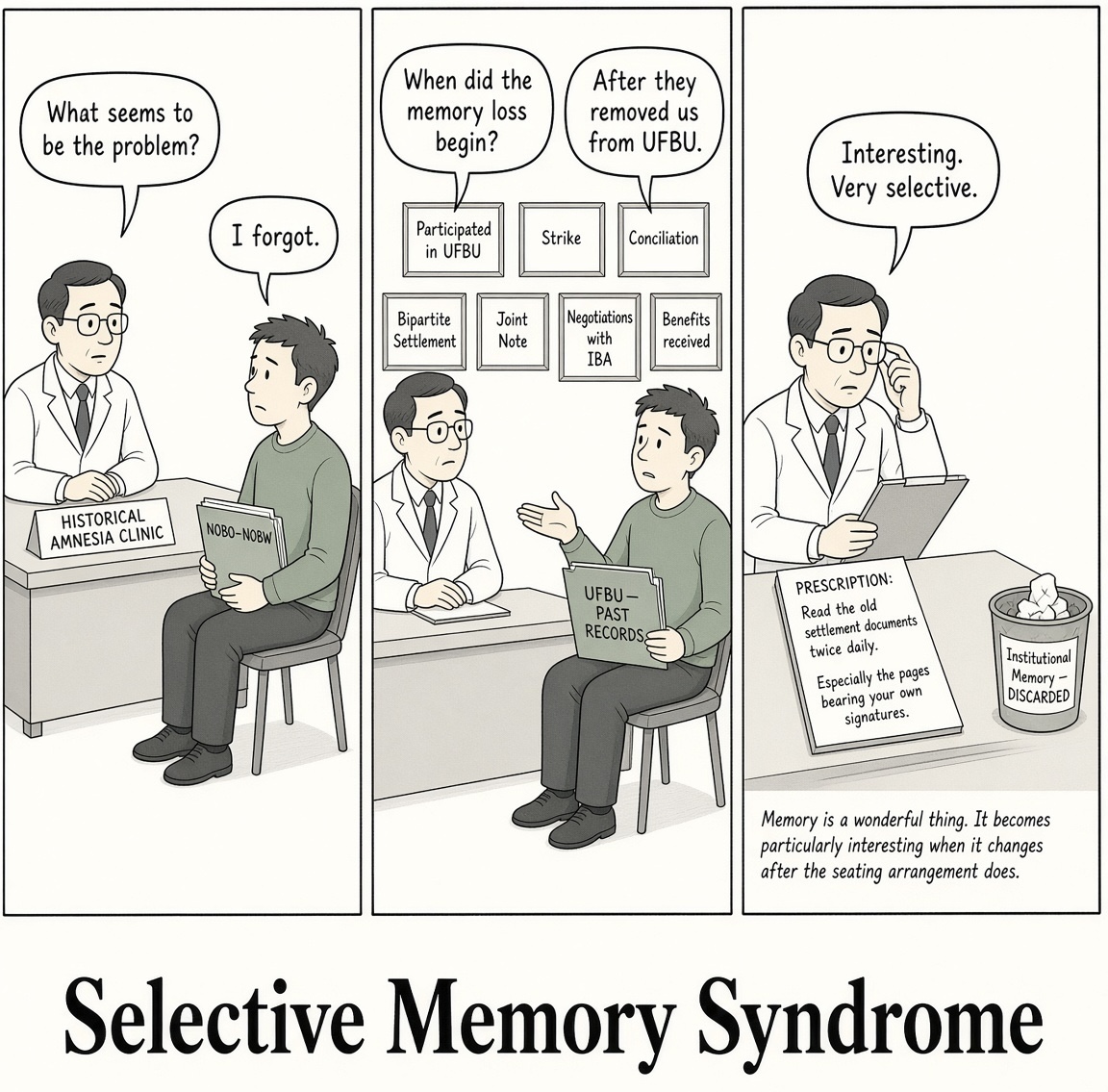
Trade unions have historically been the vanguards of workers’ rights, advocating for fair wages, reasonable working hours, and safe working conditions. In the context of the Right to Disconnect, these unions play a crucial role in resisting the normalization of an always-on work culture. By mobilizing public opinion and engaging in dialogue with policymakers, trade unions can advocate for legislation that protects employees’ personal time and promotes a healthier work environment.
As India aspires to become a $5 trillion economy and envisions its centennial in 2047 as a developed nation, fostering a progressive work culture becomes imperative. A workforce that enjoys a healthy work-life balance is more productive, innovative, and committed. Implementing a Right to Disconnect law would not only safeguard employees’ mental and physical health but also align with global best practices, enhancing India’s competitiveness on the world stage.
The Right to Disconnect is not merely a labor issue but a societal imperative that affects the well-being of individuals and the nation’s economic health. By prioritising this statute, India can take a significant step toward ensuring that its workforce remains healthy, productive, and poised to contribute effectively to the nation’s growth and development.